




Some of us hear this term tossed around quite often, but what exactly is mathematical modeling? It is a way of using math formulas/logic in addition to descriptions, and other approaches to represent real systems and events. I will explain why I think math modeling has a role in both the lives of little kids at school and those working on grander-scale issues.
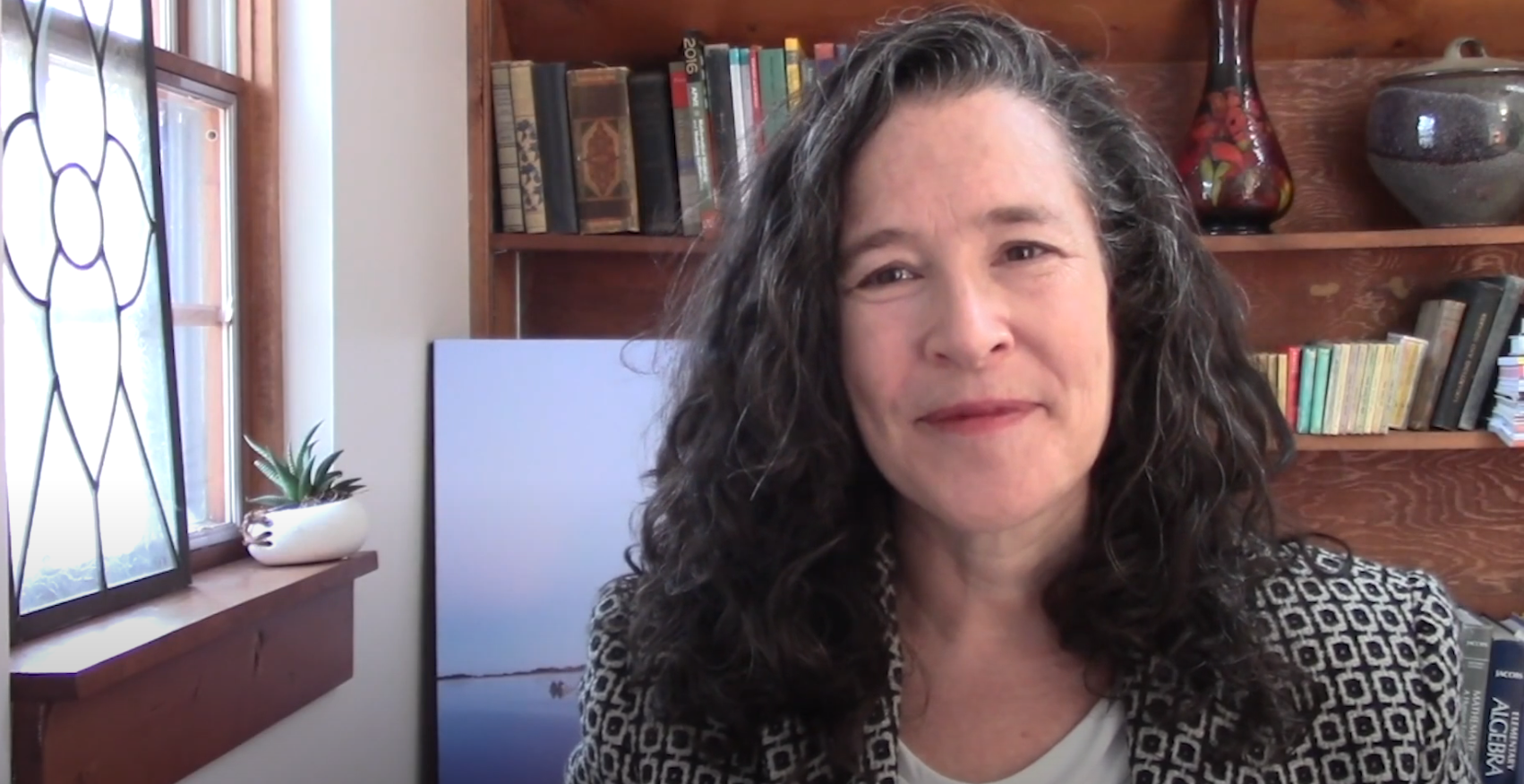
A big part of Math Mania’s mission is to fight “math anxiety/hate” that tons of kids evidently face. Rachel Levy in her TED talk “Math Modeling and Data Science, from Kindergarten to Industry” explains this as “math shame” in which students back away from scary and challenging math problems. She explains that they do this because of the hurt they felt from being incorrect on previous math problems. When getting an answer wrong, they are faced with a big red ‘X’ and are told they were wrong. In comparison to art or writing, this form of teaching is much harsher, since in art, for example, students can explain their vision and intent behind their work. Math works the same way: students have their own way of thinking about problems, but if they don’t get the exact final answer, they are not rewarded with even attention to their efforts. This is what causes “math shame”. Levy suggests that using math modeling can help this issue dramatically. Students can look at a more open-ended problem like “how many mice are needed to feed the snake completely”. The students can all have different answers and be right, while incorporating a form of math modeling. They bring their own perspectives into the problem considering various factors such as how big the mice are (proportional reasoning which adults even struggle to understand) and how hungry the snake is. This is a vital skill in data science and mathematical/statistical modeling.
Some examples of the applications of modeling and data science include satellite orientation, which mixture of food storage containers a company should use so that it can handle the food it receives best, and more. Data science cuts across every field from domain knowledge, computation thinking, math modeling, statistical modeling, and even business. Instilling these skills into students while they learn math will not only reduce their resentment for mathematics but also equip them with the skill to look at modeling situations with their unique and insightful perspective, necessary for applications in data science once they are older.
Watch Rachel’s talk to learn more: Rachel Levy: Math Modeling and Data Science, from Kindergarten to Industry | TED Talk